
Planning vegan meals for your next hiking adventure doesn’t have to be complicated.
Whether you’re tackling a challenging day hike or embarking on a week-long backpacking expedition, plant-based foods can fuel your journey just as effectively as traditional trail fare. Maybe even better. The secret? Smart planning and knowing which foods pack the most nutritional punch per ounce.
Gone are the days when vegan hikers had to survive on plain rice and dried fruit. Today’s options are diverse, delicious, and designed specifically for outdoor adventures. From freeze-dried gourmet meals to creative DIY combinations, the possibilities extend far beyond what most people imagine.
Let’s explore how to build a satisfying vegan trail menu that keeps your energy high and your pack weight low.
Why Vegan Food Works Perfectly on the Trail
Plant-based foods offer unique advantages for hiking. They’re naturally shelf-stable. No refrigeration needed. Many vegan staples like nuts, dried fruits, and grains can handle temperature fluctuations without spoiling, making them ideal for multi-day trips.
Calorie density matters on the trail. According to experienced vegan backpackers, foods high in healthy fats and complex carbohydrates provide sustained energy without weighing down your pack. Nuts, seeds, nut butters, and dried fruits deliver maximum calories per ounce.
Plus, vegan foods are often lighter than meat-based alternatives. Dehydrated beans weigh almost nothing compared to canned versions. Powdered hummus takes up minimal space. These weight savings add up quickly.
Trail Snacks That Actually Satisfy
Constant snacking keeps your energy steady during long hikes. Why wait until you’re exhausted?
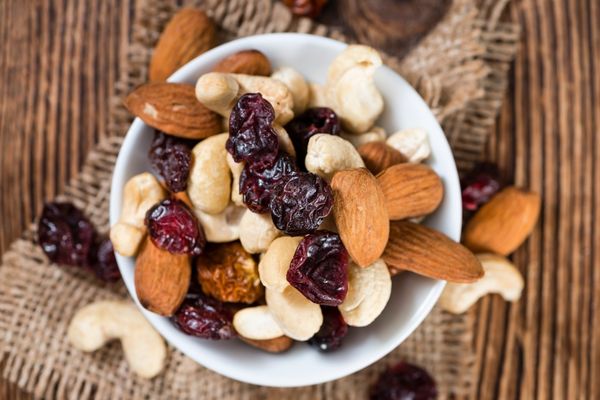
Trail mix remains the ultimate hiking companion. You can purchase pre-made varieties or create custom blends from bulk bins combining almonds, pistachios, walnuts, and pecans with dried cherries or mango for natural sugar boosts. One important note: check that any chocolate in store-bought mixes is dairy-free, since many brands default to milk chocolate.
Energy bars have evolved dramatically. PROBAR Meal Bars, Bobo’s Oat Bars, Larabars, and GoMacro bars pack nutrients into convenient packages. These bars work equally well as breakfast, snacks, or emergency fuel when you need to eat while walking.
Nut butter packets are game-changers. Single-serve squeeze pouches from brands like Justin’s slip easily into pockets. Squeeze them onto crackers, eat them straight, or add them to oatmeal for extra calories and protein. Some come in creative flavors like maple almond butter to prevent taste fatigue.
Want something savory? Plant-based jerky provides that chewy, protein-rich satisfaction. Primal Strips offers vegan jerky in flavors like Hot & Spicy and Teriyaki. According to a hiker at Six Moon Designs, mushroom jerky rehydrates beautifully when added to camp soups, pulling double duty as both snack and meal enhancer.
Don’t overlook chips and crackers. Many standard grocery store options are accidentally vegan. Original Fritos? Vegan. Most pretzels? Vegan. BBQ Pringles? Also vegan, surprisingly. These crunchy, salty snacks satisfy cravings and can be crushed over soups for added texture and calories.
Breakfast: Starting Your Day Right
A solid breakfast sets the tone for your entire hiking day. Fortunately, vegan breakfast options are plentiful and simple.
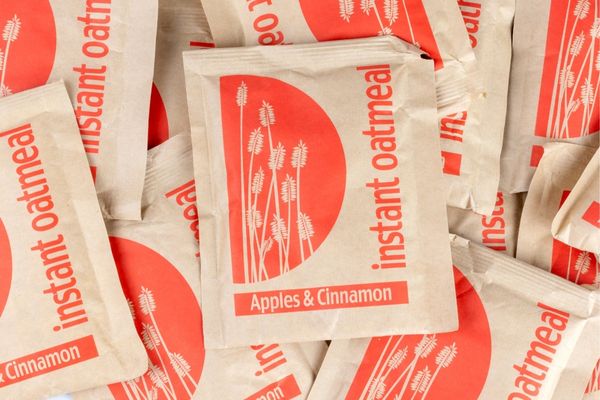
Oatmeal dominates the trail breakfast scene for good reason. It’s warm, filling, and requires only hot water. Many instant oatmeal flavors like maple & brown sugar or apple cinnamon contain no animal products. Mix in dried fruits, nuts, or a spoonful of peanut butter to boost calories and taste. If you’re already boiling water for coffee, preparing oatmeal takes virtually no extra effort.
Prefer something crunchy? Granola with powdered plant milk works perfectly. Brands like Nature’s Path and Cascadian Farm offer vegan granolas at most grocery stores. Mix soy milk powder or coconut milk powder with water to create instant plant milk for your cereal. Granola doubles as a high-calorie snack throughout the day.
Tortillas are breakfast MVPs. Spread peanut or almond butter on a flour tortilla, sprinkle with cinnamon and coconut sugar, and roll it up. This no-cook breakfast provides carbs and healthy fats without dirty dishes. For something more indulgent, try a tortilla with vegan chocolate-hazelnut spread and dried banana chips. One hiker described this combination as “heaven in a packet” during a John Muir Trail journey.
When time is precious, meal bars work as complete breakfasts. Eat them while packing up camp. This “eat while you walk” strategy saves daylight hours for covering miles.
Lunch Ideas That Don’t Require Cooking
Trail lunch typically means quick, no-cook meals or strategic snacking. Most hikers prefer not to set up their stove mid-day.
Tortilla wraps offer endless possibilities. These flat breads stay fresh for days and won’t get crushed in your pack like sandwich bread would. Fill them with:
- Rehydrated hummus: Powdered hummus mixes with water in minutes, creating a protein-rich spread. Add dehydrated olives or sun-dried tomatoes for extra flavor.
- Nut butter combinations: Classic PB with dried banana chips, or almond butter with a drizzle of agave syrup.
- Vegan jerky: Wrap strips of plant-based jerky with hummus or vegan cream cheese for a savory, chewy lunch.
Fresh ingredients work for day hikes or first-day meals. Smashed avocado with tomato slices and spinach on a whole-grain tortilla provides hydration and nutrients. Just eat these fresh wraps within the first 24 hours.
Many hikers embrace “snack lunches” instead of formal meals. This grazing approach means eating trail mix, a protein bar, nut butter on crackers, dried fruit, and maybe some candy over the course of an hour. The key is mixing carbs for quick energy with fats and protein for sustained fullness.
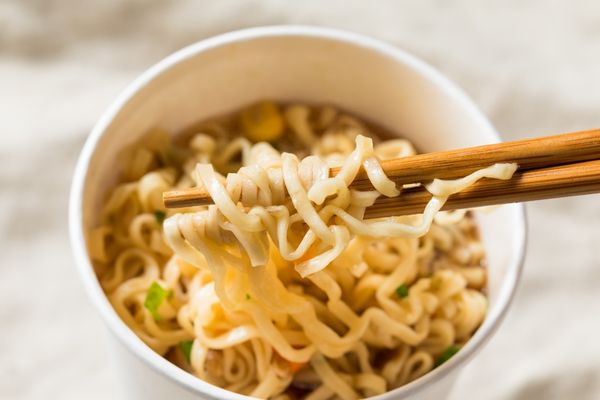
Want something warm? Instant ramen can be ready surprisingly fast. Nissin Top Ramen’s Soy Sauce (formerly Oriental) and Chili flavors are among the few mainstream instant ramen options that contain no animal ingredients. You can even cold-soak ramen by breaking the noodles into a container with water in the morning. By lunch, they’ll be soft enough to eat without cooking.
Cold-soak salads represent an innovative lunch option. Companies like Outdoor Herbivore create dehydrated grain salads that rehydrate with cold water in 10-15 minutes. Their “Lazy Lentil Salad” and “Lemony Herb Quinoa Salad” deliver refreshing, crunchy meals without touching your stove. These work beautifully on hot days when you’d rather not cook.
Dinner: The Main Event
After logging serious miles, a hot dinner becomes the highlight of your day. Vegan dinner options range from convenient pouches to creative DIY combinations.
Freeze-dried meals offer maximum convenience. Pour boiling water into the pouch, wait, and eat directly from the bag. Zero cleanup. Multiple companies now specialize in vegan backpacking meals:
- Backpacker’s Pantry: Try their Kathmandu Curry or Pad Thai with spicy peanut noodles
- Good To-Go: Known for natural ingredients in meals like Kale and White Bean Stew, Mexican Quinoa Bowl, and Herbed Mushroom Risotto
- Nomad Nutrition: 100% plant-based options including Indian Red Lentil Stew and Hungarian Goulash
- Outdoor Herbivore: Focuses exclusively on vegetarian and vegan meals with whole food ingredients, offering dairy-free “Cheddar Mac,” Basil Walnut Penne, and Lemongrass Thai Curry
Food for the Sole as a small business creating gourmet vegan dehydrated meals with unique options like Coconut Curry Rice with black beans. These meals can even be cold-soaked on no-cook days.
DIY dinners save money and allow customization. Quick-cooking grains form the foundation:
Couscous cooks in just five minutes with boiling water. Near East brand offers several vegan flavors like Roasted Garlic & Olive Oil. Add olive oil and some nuts or TVP (textured vegetable protein) for extra heartiness.
Instant rice or quinoa flakes work similarly. Mix in a bouillon cube or pre-made spice blend to create savory porridges or stews.
Dehydrated beans are secret weapons for vegan backpackers. Instant refried bean flakes from Santa Fe Bean Co. or Bearitos prepare with just hot water (cold water works too, with longer soaking). These protein-packed beans can be wrapped in tortillas for easy bean burritos. Top with crushed Fritos for the classic thru-hiker combination that Gossamer Gear describes as a trail tradition.
Don’t forget calorie boosters. A tiny bottle of olive oil adds 120 calories per tablespoon and makes meals more satisfying. Nutritional yeast sprinkled on pasta or potatoes provides cheesy flavor plus B12. A few salt and pepper packets, garlic powder, or chili flakes weigh almost nothing but rescue bland meals.
Sweet Treats and Desserts
Trail desserts boost morale after tough days. They don’t need to be complicated.
Dark chocolate squares travel well if properly wrapped. The UNREAL brand makes vegan chocolate bars that taste remarkably like traditional candy bars. Their dark chocolate caramel peanut nougat mimics classic treats without dairy.

Oreos, Nutter Butters, and many packaged cookies are accidentally vegan. Pack a sleeve for a real luxury on the trail. Uncle Eddie’s trail cookies or Larry & Lenny’s Complete Cookies offer dedicated vegan options with soft, indulgent textures.
Dried fruit provides healthier sweetness. Dried mango, pineapple rings, or dates deliver intense flavor bursts. Fruit leather strips offer convenient, mess-free options.
Hot cocoa makes a lovely evening treat. Carry vegan hot chocolate mix or create your own with cocoa powder, sugar, and powdered coconut milk. Sip it while watching stars. Maybe dunk a cookie in it for the ultimate camp dessert experience.
Essential Planning Tips
Variety prevents menu fatigue on longer trips. Mix salty and sweet snacks. Include different textures. Don’t be afraid of “junk food” because you’re burning massive calories. Even Pop-Tarts and Ritz crackers can be part of a vegan hiker’s arsenal.
Plan based on your trip length. Fresh items work for day hikes and first-day meals. Switch to dehydrated options for later days. Pack calorie-dense foods since you’ll burn thousands of calories daily.
Test meals before your trip. Nothing’s worse than discovering you hate a freeze-dried dinner when you’re tired and hungry in the backcountry. Try everything at home first.
Consider no-cook options as backup. If your stove fails or you’re too exhausted to cook, knowing that certain meals cold-soak successfully provides peace of mind. Ramen, couscous, and some grain salads eventually soften in cold water.
Final Thoughts on Vegan Trail Nutrition
Building a vegan hiking menu requires planning, but the payoff is worth it. You’ll eat well, maintain energy, and prove that plant-based eating works anywhere.
The key principles bear repeating: choose calorie-dense foods, include easy-to-prepare options, and pack variety to prevent boredom. From classic trail mix and oatmeal to innovative dehydrated meals and creative tortilla wraps, vegan hikers have more options than ever before.
Start simple if you’re new to vegan backpacking. Master a few reliable meals. Then experiment with new combinations and products. Before long, you’ll develop your own favorite trail foods that keep you satisfied mile after mile.
