
Are you a fitness enthusiast who uses creatine to boost your workout performance? If so, you might have noticed your creatine turning lumpy at times.
Well, if the creatine has only turned lumpy but hasn’t changed color or developed an odd smell, it is usually safe to consume. However, it’s essential to store it properly to prevent it from happening.
In this article, we’ll explore why creatine becomes lumpy, delve deeper into proper storage methods, and provide guidelines for its safe consumption.
Why Does Creatine Become Lumpy?
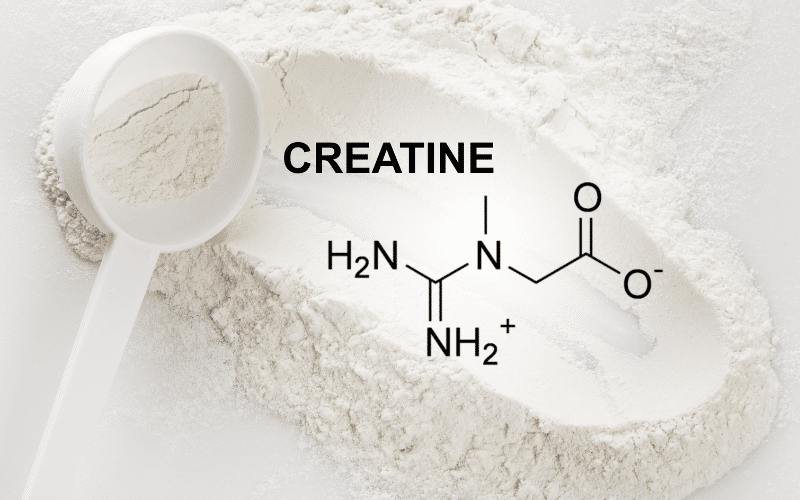
Creatine, especially in its monohydrate form, is known to be hygroscopic.
This is a term that refers to the ability of a substance to absorb moisture from the air, in other words, when a substance is hygroscopic, it can attract and hold water molecules from the surrounding environment.
This characteristic has implications for how creatine should be stored and handled, as it can absorb moisture if exposed to humid air or not properly sealed.
When creatine powder absorbs moisture, the individual granules or crystals can begin to stick together. This is because the absorbed water can act as a kind of “glue,” causing the powder particles to adhere to each other.
The result is the formation of clumps or agglomerates within the creatine powder.
Storing Creatine Properly
To minimize the hygroscopic effects, it’s important to keep your creatine container properly closed to prevent moisture from getting in.
Additionally, storing it in a cool and dark place can also be beneficial. Some people even store their creatine in the refrigerator to keep it dry and cool, though it needs to be sealed properly to prevent condensation inside the container.
Is Lumpy Creatine Safe to Consume?
Lumpiness happens primarily due to moisture absorption and doesn’t necessarily compromise the quality of the creatine.
You can break up the lumps by stirring the creatine in water or juice before using it.
Unless you notice a sour smell, a change of color, or that it’s past its expiration date, I don’t think you should get rid of it.
Liquid Creatine Is More Susceptible to Spoilage
Liquid creatine is more sensitive to spoilage compared to creatine powder.
This comes down to the inherent differences between liquids and powders and how they interact with environmental factors.
Here’s why that’s the case:
- Water Content: One of the main reasons why liquid creatine is more susceptible to spoilage is due to its higher water content compared to the powder form. Water is essential for the growth of microorganisms such as bacteria and mold. These microbes can thrive in liquid creatine more easily than in the dry environment of creatine powder.
- Nutrient Availability: Besides water, microorganisms need nutrients to grow. The solubilized nutrients in the liquid form are more easily available for microbes to utilize compared to the crystalline or amorphous form in powders. This further supports the growth of bacteria and other microorganisms, which can lead to spoilage.
- pH and Chemical Stability: The pH and chemical stability of substances can change when they are in a liquid state. Creatine, in particular, is known to degrade over time into creatinine when dissolved in water. This degradation can be accelerated at higher temperatures and in the presence of certain ions. Powders are more stable because they are not in solution and, thus, don’t interact as much with themselves or other chemicals.
- Oxygen Exposure: When creatine is in a liquid form, it generally has a larger surface area that is exposed to oxygen compared to the compact structure of the powder. Oxygen can react with creatine and other substances in the liquid, leading to oxidation and degradation of the product.
- Temperature Sensitivity: Liquids are generally more sensitive to temperature changes than powders. Even slight changes in temperature can affect the solubility and chemical reactions in the liquid, potentially leading to spoilage. While powders are also affected by temperature, they are generally less sensitive.
- Contamination: When you open a bottle of liquid creatine, there’s a chance that small amounts of bacteria or other contaminants can enter. In the moist environment of the liquid, these contaminants can multiply rapidly, whereas in powder form, the lack of water limits their growth.
Once opened, it should be consumed relatively quickly. If your liquid creatine becomes lumpy, changes color, or smells off, it should not be consumed.
Safe Consumption Guidelines
Creatine is a popular and extensively researched supplement.
It’s generally safe when consumed within recommended doses, which is usually around 3-5 grams per day for maintenance after a loading phase.
However, it’s still important to consult a healthcare professional before starting any supplementation, especially if you have any underlying health conditions.
Overconsumption of creatine can lead to side effects such as muscle cramping, kidney stones, liver damage, weight gain, bloating, and dehydration. Staying hydrated and following the recommended dosage is key to minimizing these side effects.
Frequently Asked Questions
Creatine is a naturally occurring compound in the body that helps supply energy to cells, especially muscle cells.
It’s used to enhance physical performance during high-intensity exercise and helps increase muscle mass.
Yes, there are several forms of creatine supplements available.
Creatine monohydrate is the most common and well-researched, but other types include creatine ethyl ester, creatine hydrochloride, and buffered creatine.
There is some evidence to suggest that creatine supplementation may have cognitive benefits, especially in tasks that require short-term memory and quick thinking. However, more research is needed in this area.
Creatine can interact with certain medications, such as those that affect kidney or liver function.
It’s important to consult a healthcare professional if you are taking medication and considering creatine supplementation.
There is a limited amount of research suggesting a possible link between creatine supplementation and hair loss, but the evidence is not conclusive.
If you have concerns about this, it is best to consult a healthcare professional.
Yes, many athletes and fitness enthusiasts combine creatine with other supplements like protein powder or BCAAs to maximize their training results.
However, it’s important to be mindful of dosages and perhaps get some professional advice before taking that many supplements.
The time it takes to see results from creatine supplementation can vary. Some people may notice changes in their performance and physique within a few weeks, while for others, it may take longer. Consistency and proper training are key factors in seeing results.
Final Thoughts
Lumpy creatine can still be safe for consumption if it hasn’t developed an off smell, changed color, or exceeded its expiration date.
Proper storage in a cool, dry place is crucial for maintaining its quality.
Always consult a healthcare professional for personalized advice before starting any supplementation, and pay attention to proper dosage and hydration levels during creatine use. Your safety and health should always be the priority!
